Easter in Rome 2026 falls on Sunday, April 5. If you've never been here during Holy Week, it's hard to describe what it's like. The city fills up. Church bells go a little crazy. Pilgrims show up from every country you can name, and then there are the Romans, who have their own Easter that runs in parallel and mostly ignores the tourists. I guide through Holy Week every year and I still find it moving, even the crowded parts. This is what you need to know about Easter in Rome 2026 before you come.
Easter Rome 2026: key dates
Holy Week (Settimana Santa) starts on Palm Sunday, March 29, and the schedule builds day by day from there. Here's the week at a glance.
- Palm Sunday, March 29: The Pope leads a procession and Mass in St. Peter's Square, blessing palm and olive branches. Arrive very early to secure a spot.
- Holy Wednesday, April 1: The Pope holds a General Audience in St. Peter's Square (free tickets required from the Prefecture of the Papal Household).
- Holy Thursday, April 2: The Chrism Mass at St. Peter's Basilica in the morning. In the evening, the Pope traditionally washes the feet of twelve people in a ceremony of humility.
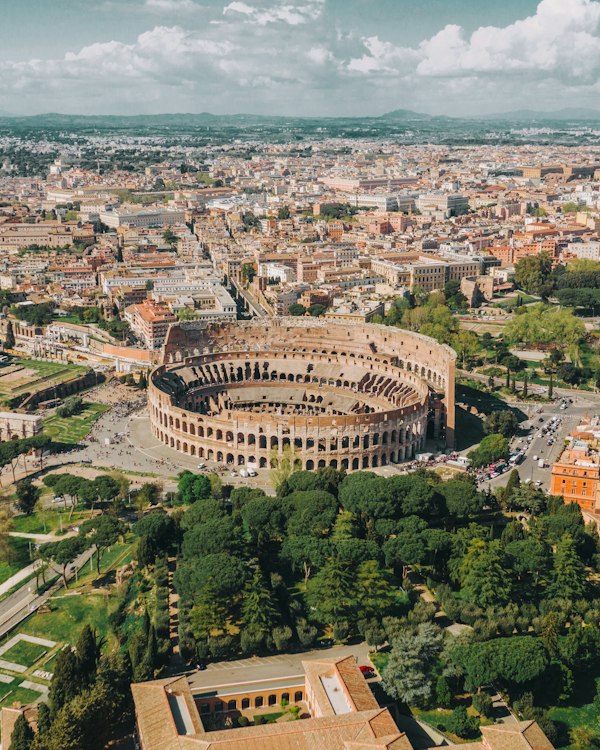
- Good Friday, April 3: The Via Crucis (Stations of the Cross) at the Colosseum — the most dramatic event of Holy Week. The Pope leads a torchlit procession around the ancient amphitheatre starting at 9:15 PM.
- Holy Saturday, April 4: The Easter Vigil Mass at St. Peter's Basilica in the evening, beginning after sunset.
- Easter Sunday, April 5: Papal Easter Mass in St. Peter's Square at 10:00 AM, followed by the Urbi et Orbi blessing ("to the city and to the world") from the balcony of St. Peter's.
- Easter Monday (Pasquetta), April 6: A public holiday. Romans traditionally spend it outdoors — picnics in parks, day trips to the countryside, or meals with extended family.
The Via Crucis at the Colosseum
The Good Friday Via Crucis is the single most powerful thing I've ever watched in Rome. The Colosseum is lit by torches. The Pope leads the Stations of the Cross around the amphitheatre, and thousands of people stand on the hillside and the surrounding streets holding candles. You don't have to be religious for it to hit you. This is the building where early Christians were killed, lit up at night for a Christian ceremony two thousand years later. History folding in on itself. Get there by 7:00 PM for a decent viewing spot. Traffic closures around the Colosseum start in the afternoon.
Easter Sunday Mass and Urbi et Orbi
Easter Sunday Mass in St. Peter's Square is massive. Tens of thousands of people. The square gets covered in flowers (the Dutch usually send them) and the energy in the crowd is something else. After Mass, the Pope gives the Urbi et Orbi blessing from the central balcony. That's Latin for "to the city and to the world," and Popes have been doing this since the Middle Ages. Attendance is free but get there by 7:30 AM if you actually want to be inside the square. Yes, 7:30. Bring a hat, water, sunscreen. You're going to be standing in the sun for hours and the Romans around you will not be sharing their shade.
Explore Rome during Easter week
Our morning free walking tour runs throughout Holy Week and Easter. See the Pantheon, Piazza Navona, and Castel Sant'Angelo with a local guide who can share the Easter traditions along the way. Book your spot →
Local Easter traditions you won't find in guidebooks
Forget the Vatican for a minute. The Roman Easter most tourists miss happens around the lunch table. Easter Sunday lunch in a Roman family is a three- or four-hour operation. Antipasti first. Then lasagna or pasta al forno. Then abbacchio — roast spring lamb — done in the oven (al forno) or grilled on the bone (scottadito, which translates to "burn-your-fingers"). Then colomba, a dove-shaped Easter cake similar to panettone but lighter, covered in almonds and pearl sugar. If you're planning to eat out on Easter Sunday, book days ahead. Restaurants fill up because every Roman with a nonna has one.
Then there's the uovo di Pasqua, the Italian Easter egg. These are not the small eggs you might know. Italian Easter eggs are huge, wrapped in foil, often hand-decorated, and every one of them has a gift inside. Kids get theirs cracked open with a hammer on Easter morning. The chocolate shops start displaying them in the windows weeks ahead. Some of the ones at the artisan pasticcerie in the center are expensive, and they're basically edible sculpture.
What's open (and closed) during Easter in Rome
This part trips people up every year. Easter Sunday and Easter Monday, a lot of the city shuts. Not all of it, but enough that you need a plan. Here's how it actually works:
- Good Friday: Not a public holiday in Italy, so most businesses operate normally. The Colosseum area closes early for the Via Crucis setup.
- Easter Sunday: Many restaurants close for private family meals. The Colosseum, Roman Forum, and Palatine Hill are typically open. The Vatican Museums are closed.
- Easter Monday (Pasquetta): A public holiday. Many shops close, but restaurants in tourist areas generally open. Parks fill with Roman families picnicking.
- Supermarkets: Most close Easter Sunday and Monday. Stock up on Saturday if you're self-catering.
Tips for visiting Rome at Easter 2026
- Book accommodation early. Easter is peak season. Hotels fill months out and prices go up hard. Three to six months ahead is smart.
- Reserve a restaurant table. For Easter Sunday lunch, book at least a week ahead. Or just grab food and picnic. A lot of trattorias run fixed-price Easter menus.
- Dress for churches. Shoulders and knees covered. Not optional. They will turn you away at the door during Holy Week services.
- The Vatican area gets insane. St. Peter's is a crush during Holy Week. Do your Vatican Museums visit early in the week, or wait until after Easter Monday when everyone leaves.
- Watch the transport schedule. Buses and metro run holiday schedules on Easter Sunday and Monday. Fewer trains, longer waits. Walking often beats waiting.
See the Colosseum during Easter week
Our evening twilight walk passes the Colosseum, Trajan's Forum, and Capitoline Hill — experience these ancient sites in the spring golden hour during your Easter visit. Join the twilight walk →
Easter in Rome 2026 is the Vatican and the Roman family table at the same time. Come for the Papal Mass if that matters to you, come for the Via Crucis if you want something you won't forget, come for the lamb and chocolate eggs if you just love food. Plan early, accept that some days will be crowded, and give yourself enough time to sit in a piazza and do nothing. That's half the point.