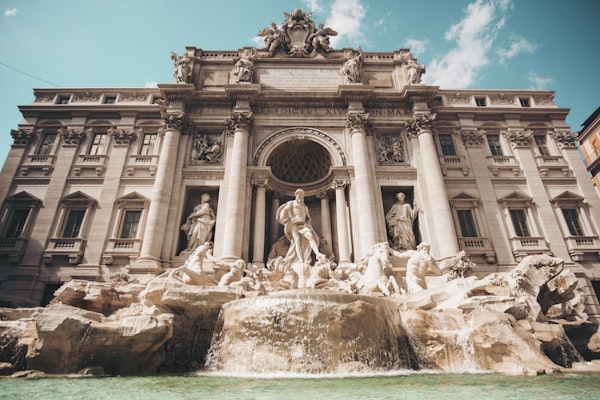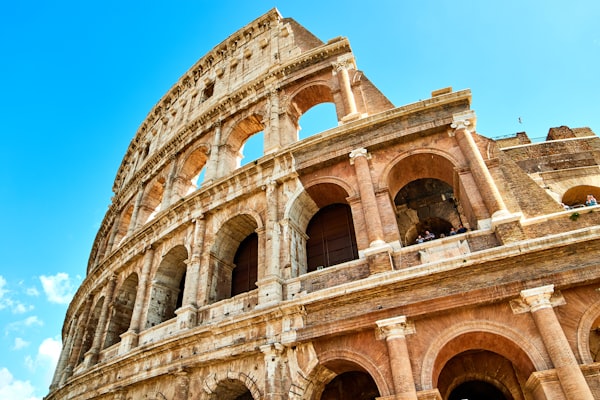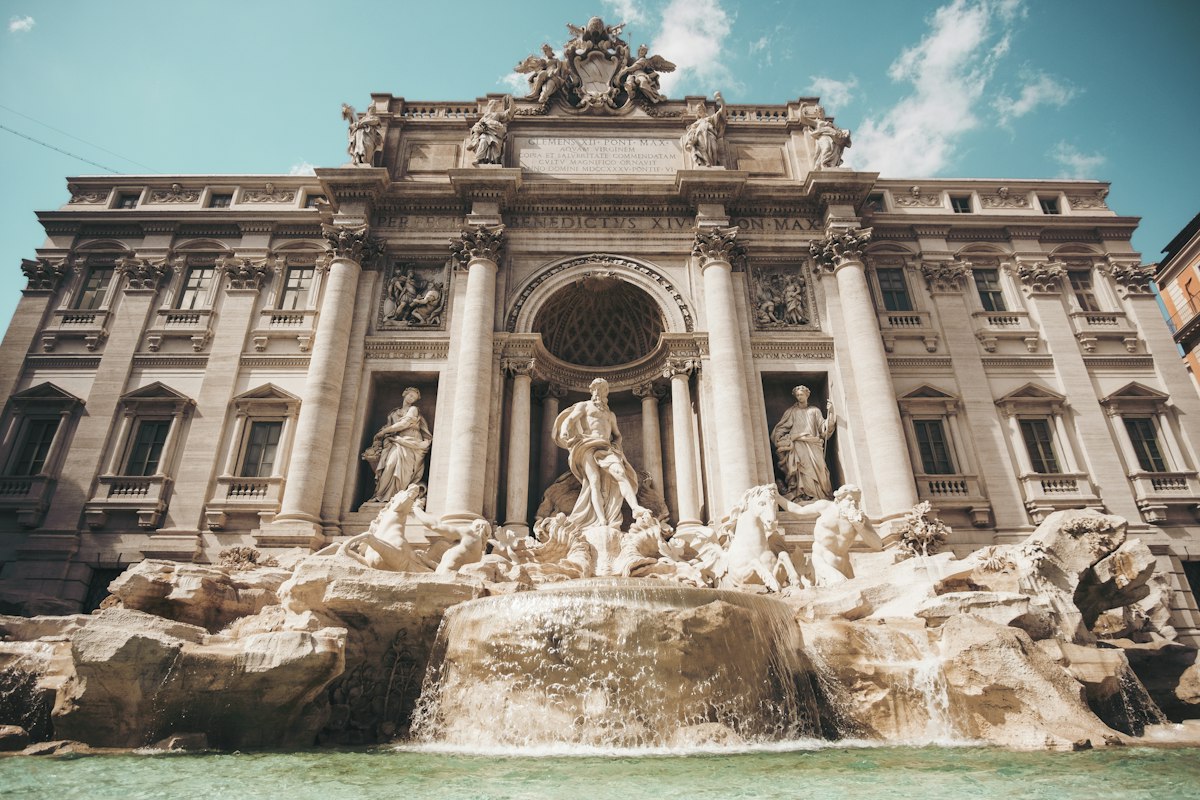
Almost everyone plans their Rome trip for April, May, or September, which is exactly why Rome in winter might be the smartest move you make. While everyone else is sweating through a July crowd at the Colosseum, winter visitors get the city on a good day: quiet piazzas, half-price hotel rooms, and trattorias where the next table is actually speaking Italian. I'm biased because I live here, but the off-season is genuinely the best time to come. Let me tell you why.
Fewer Crowds, More Rome
The difference is hard to overstate. Peak summer, the Pantheon gets more than 20,000 people a day through its doors. January, that number drops to a fraction. You can actually stand inside, look up at the oculus, and take in the fact that the dome has been holding itself up since 126 AD without getting jabbed by someone's selfie stick. Same story at Piazza Navona, the Roman Forum, the Vatican Museums. In winter you notice things you'd never see in July: the chisel marks on travertine blocks, the faded frescoes above side altars, the way late sun hits Bernini's Four Rivers fountain when there's nobody standing in front of it.
Rome in Winter: The Weather Reality
Okay, the weather question. Rome is not Copenhagen. Winter daytime temperatures typically sit between 5 and 12 Celsius (40 to 55 Fahrenheit). It rains on maybe seven or eight days per month, usually not all day. Most winter days are crisp and clear with that low golden light photographers fight for. Snow is almost unheard of. The last real snowfall was February 2018, and Romans are still talking about it. Pack a warm coat, a couple of layers, a compact umbrella. You will not need Arctic gear. You will not need thermal long underwear unless you're visiting in January and you run cold.
Lower Prices on Everything
Flights to Rome in winter often run about half what you'd pay in June. Hotels drop their rates hard. That boutique place near Piazza Navona that goes for 300 a night in summer? Probably 120 in January. Restaurants also loosen up in the quiet months, putting out lunch specials and prix fixe menus that quietly disappear the week Easter starts. The accommodation savings alone usually buy you two or three extra nights in the city. That's real.
Winter tours run year-round
Our morning free walking tour operates every day, including winter. Smaller crowds mean a more personal experience at the Pantheon, Piazza Navona, and beyond.
Christmas Markets and Festive Traditions
If your winter trip overlaps with the holidays (mid-December through Epiphany on January 6th), you get a version of Rome most visitors never see. Piazza Navona turns into a Christmas market with stalls selling handmade wooden ornaments, hot chestnuts in paper cones, torrone (Italian nougat that'll crack a filling if you're not careful), and very sweet hot chocolate. The Christmas tree in St. Peter's Square is enormous. The life-sized nativity scene (presepe) next to it is a tradition that goes back centuries in Italian culture. And churches across the city set up their own presepi, some of them with mechanical figures that have been running since the 1700s. Wander into two or three churches and compare. Free, indoor, warm. Hard to beat.
Winter Food is Rome's Best Food
Here's where I'm going to get a little passionate. Roman food is deeply seasonal, and winter is when it really cooks. This is the season for carciofi alla romana (Roman artichokes braised with mint, at their peak November through March), pasta e ceci (pasta with chickpeas, which sounds simple and is transcendent), abbacchio (roast baby lamb, especially around Easter), and thick bean-and-bread soups. The trattorias in Testaccio, Monti, and Trastevere fill up with Romans instead of tourists in winter, which means the kitchen is cooking for people who will complain if something is wrong. Order a glass of something red from the Castelli Romani hills just outside the city and the question "why did I not come in winter?" will answer itself.
What to Wear on a Winter Walking Tour
Layers. That's the whole trick. A typical Rome winter day starts chilly around 8 AM, warms up by midday to something that feels almost spring-like, then drops again at sunset. A thin base layer, a warm sweater or fleece, and a wind-resistant jacket over the top will get you through almost anything. Waterproof walking shoes matter: Rome's cobblestones are slippery when wet, and you'll be on them for hours. Bring a scarf, a hat, gloves for early mornings and evenings, and a small umbrella that disappears into your day bag. The goal is to be warm enough to stand still for fifteen minutes while a guide tells you about Trajan's Forum, but not so bundled that you're sweating by the time you walk to the next stop.
Winter sunsets over the Colosseum
The low winter sun creates stunning golden light over ancient Rome. Our twilight walk through the Colosseum and Capitoline Hill is even more magical in the off-season.
Tips for Visiting Rome in Winter
- Check museum hours. Some sites run shorter winter hours, often closing at 4:30 PM instead of 7. Do indoor visits in the morning and save the wandering for afternoon light.
- Use the espresso bars. Ducking into a bar for an espresso between stops is the most Roman thing you can do in winter. It's a euro, it's fast, and it gets you out of the cold for five minutes.
- Book the Vatican ahead. Even in winter the Vatican Museums are busy. Crowds are way smaller than in summer, but timed-entry tickets still save you forty-five minutes at the door.
- The sun sets early. In December, sunset is around 4:30 PM. Golden hour arrives earlier than you'd expect, so plan outdoor stops for mid-afternoon if you care about photos.
- Layer, don't stuff. You'll regret the heavy parka. Rome's winters are mild by northern European standards. Things you can put on and take off beat one big coat every time.
Rome in winter is the city with its mask off. The tourist veneer peels back, and what's underneath is the real thing: Romans walking dogs, neighborhood trattorias cooking for regulars, twenty-seven centuries of history under a low soft light. If you want to see this place the way the people who live here see it, come in January or February. Bring the coat. You'll get the city.